What is a Semen Analysis?
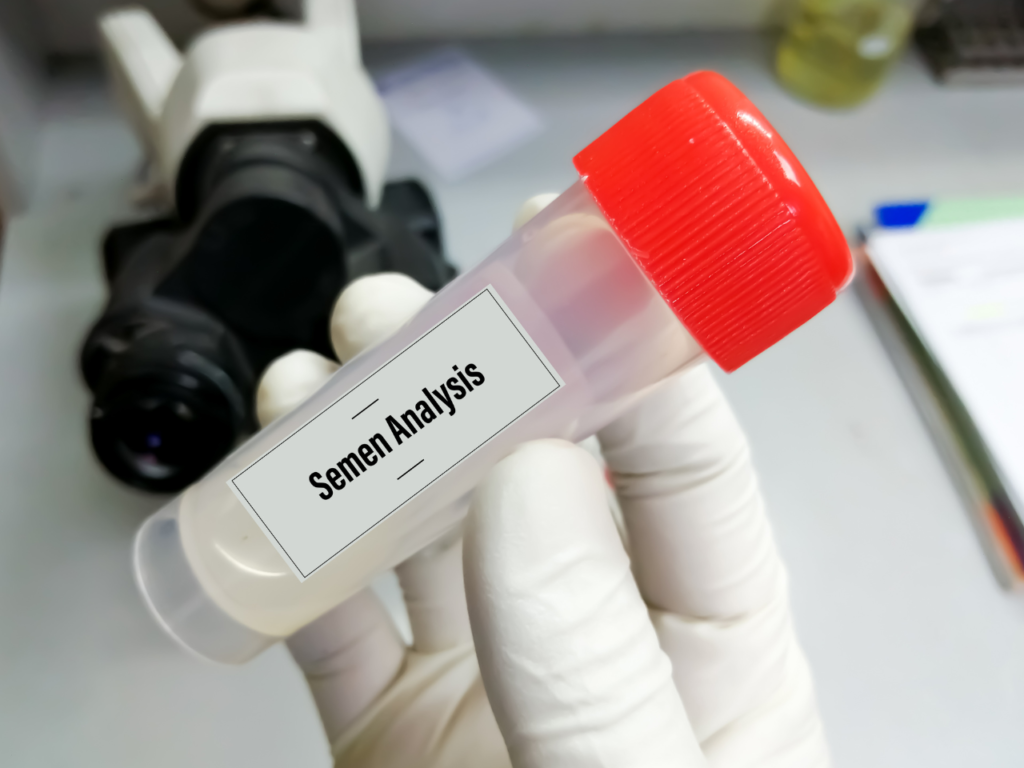
A Semen Analysis is a laboratory test that evaluates the quality and the amount of sperm. It is a crucial part of the evaluation for male infertility. The semen analysis test procedure involves the collection of a semen sample, usually through masturbation, and examining it under the microscope and through various chemical tests. The semen analysis purpose usually provides for the measurement of different key parameters, including the count of the spermatozoa, motility (movement), morphology (shape), volume, pH and the presence of white blood cells or other cells in the semen.
What does a Sperm analysis include?
A semen analysis includes a thorough examination of several key parameters to assess male fertility.
- During a semen analysis, the semen sample is analysed for sperm count, which measures the concentration of sperm in the semen.
- The semen analysis also evaluates sperm motility, determining the percentage of moving sperm and their movement quality.
- Sperm morphology is another crucial aspect of semen analysis, which examines the shape and structure of the sperm.
- Additionally, a semen analysis measures the volume of the semen, ensuring it falls within the normal range.
- Sperm pH is tested during semen analysis to check for imbalances that may affect sperm health.
The semen analysis may also detect the presence of white blood cells or other cells, indicating possible infections or other health issues.
Who needs a semen analysis?
Semen analysis is typically recommended for couples trying to conceive for at least one year without success (or six months if the female partner is 35 years old or older). If male infertility is suspected, and the female partner has already undergone fertility testing, a semen analysis is usually the next step in diagnosing the cause of infertility.
A semen analysis may be recommended for men with certain medical conditions or lifestyle factors that can affect their fertility, such as a history of testicular cancer, previous chemotherapy or radiation treatment, or exposure to toxins in the workplace. In some cases, a semen analysis may be part of routine testing for men who are considering donating sperm or for those who are undergoing fertility treatments such as in vitro fertilization (IVF)
How to Analyze a Semen analysis Report
Reading the results of a semen analysis report can be overwhelming for many individuals, but understanding what each parameter means can help.
Here’s a guide to analyzing a semen analysis report:
- Check the date and time. Ensure the report is current and the analysis was conducted within the recommended time frame, generally within one hour of ejaculation.
- Look at the volume. This refers to the total amount of semen the individual produces during ejaculation and is typically measured in milliliters (ml). The World Health Organization (WHO) considers a 1.5 ml or more volume to be normal.
- Check the sperm concentration. This is the number of sperm present in each milliliter of semen and is usually measured in millions per milliliter (m/ml). It should be 15 million or more per ml.
- Examine sperm motility. This refers to the percentage of sperm actively moving and is evaluated in total and progressive motility. As mentioned earlier, the minimum requirement for progressive motility is 25 micrometers per second.
- Assess sperm morphology. This refers to the size and shape of sperm and is evaluated according to specific criteria, such as Kruger’s Strict Morphology guidelines. The percentage of normal sperm should be above 4%.
- Look at other parameters. The report may also provide information on other factors, such as pH level, viscosity, and the presence of white or red blood cells.
Step-by-Step Procedure of Semen Analysis
1. Sample Collection
The semen sample is collected through masturbation in a sterile container at a clinic or at home (if allowed by the lab).
Some clinics also allow collection via special condoms during intercourse.
2. Sample Preparation
The sample is kept at body temperature and processed quickly for accurate results.
3. Laboratory Examination
The sample undergoes multiple tests, including:
Sperm Count: Measures the number of sperm per milliliter of semen.
Motility Test: Determines the percentage of actively moving sperm.
Morphology Test: Assesses the shape and structure of sperm.
pH Level: Evaluates semen acidity or alkalinity.
Volume and Consistency: Measures the total semen volume and its viscosity.
4. Results Interpretation
The fertility specialist reviews the results and suggests next steps based on sperm health.
4. Normal Parameters of Semen analysis (According to WHO)
Parameter Normal Range
Sperm Count At least 15 million sperm per mL
Motility 40% or more actively moving sperm
Morphology 4% or more normal-shaped sperm
Semen Volume 1.5 mL or more per ejaculation
pH Level 7.2 – 8.0
Causes of Abnormal Semen analysis Results
Low Sperm Count (Oligospermia) – Due to hormonal imbalances, infections, or lifestyle factors.
Poor Sperm Motility (Asthenozoospermia) – Linked to smoking, alcohol, or genetic conditions.
Abnormal Sperm Morphology (Teratozoospermia) – Indicates structural defects in sperm.
No Sperm in Semen (Azoospermia) – Caused by blockages or testicular failure.
6. How to Improve Sperm Health
Maintain a Healthy Diet – Eat foods rich in antioxidants, zinc, and folic acid.
Exercise Regularly – Helps maintain hormone balance.
Avoid Smoking and Alcohol – These substances negatively affect sperm quality.
Manage Stress – High stress levels can reduce sperm production.
Stay Hydrated – Proper hydration improves semen volume.
FAQs
No, multiple tests over several weeks may be needed for an accurate diagnosis.
Yes, stress can lower sperm production and affect motility.
Conclusion:
Semen analysis is a crucial test for evaluating male fertility. By understanding sperm health and taking steps to improve it, men can enhance their chances of conception. If results are abnormal, consulting a fertility specialist is essential to explore treatment options.