What Is Polypectomy?
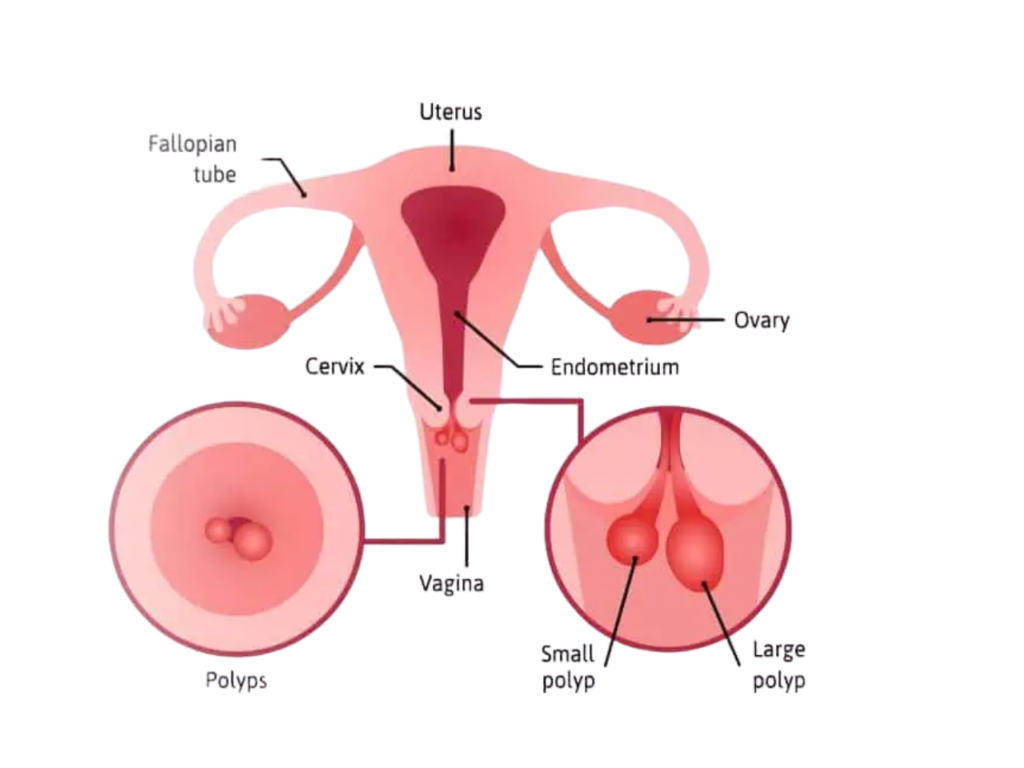
Polypectomy is a minimally invasive surgical procedure to remove uterine polyps, which are small, abnormal tissue growths in the uterine lining (endometrium). While most uterine polyps are benign (non-cancerous), they can cause irregular bleeding, infertility, or miscarriage if left untreated.
This procedure is typically done using hysteroscopy, ensuring minimal discomfort and a quick recovery.
Why Is Polypectomy Needed?
Uterine polyps can cause several issues, including:
- Irregular Menstrual Bleeding – Heavy, prolonged, or unpredictable periods.
- Infertility – Polyps may interfere with embryo implantation.
- Recurrent Miscarriages – Leading to pregnancy loss.
- Postmenopausal Bleeding – A possible sign of underlying issues.
- Pelvic Pain and Discomfort – In some cases, larger polyps can cause cramps.
Removing polyps can restore normal uterine function, increasing pregnancy chances and relieving symptoms.
Step-by-Step Procedure of Polypectomy
1. Pre-Surgery Evaluation
Doctors perform a transvaginal ultrasound or hysteroscopy to diagnose and locate the polyps.
Blood tests may be done to assess overall health.
2. Anesthesia Administration
The procedure is typically performed under local or general anesthesia, depending on the case.
3. Hysteroscopic Polypectomy
A hysteroscope (thin, lighted tube) is inserted through the vagina into the uterus.
Special surgical instruments or a laser are used to remove the polyps without incisions.
4. Recovery and Follow-Up
Patients go home the same day and recover within a few days.
A follow-up visit ensures complete healing and the absence of new polyps.
Benefits of Polypectomy
- Restores Normal Menstrual Cycles – Reduces heavy or irregular periods.
- Enhances Fertility – Improves embryo implantation and pregnancy success rates.
- Prevents Complications – Reduces miscarriage and pregnancy risks.
- Minimally Invasive Procedure – No major incisions, leading to quick recovery.
- Low Risk of Recurrence – Polyps are effectively removed with minimal chance of regrowth.
Who Should Consider Polypectomy?
Women with irregular or heavy menstrual bleeding.
Those diagnosed with polyps via ultrasound or hysteroscopy.
Patients struggling with unexplained infertility or recurrent miscarriages.
Women experiencing postmenopausal bleeding.
Possible Risks and Considerations
- Mild Cramps or Spotting – Common after surgery but resolves quickly.
- Infection Risk – Rare, but antibiotics may be prescribed as a precaution.
- Uterine Scarring (Asherman’s Syndrome) – Extremely rare but possible.
- Temporary Abstinence from Pregnancy – Doctors may recommend waiting one cycle before trying to conceive.
FAQs
Yes, removing uterine polyps significantly improves implantation and pregnancy success rates.
Most women recover within a few days, with full healing in 4-6 weeks.
No, it is done under anesthesia, and post-operative discomfort is usually mild.
Doctors generally recommend waiting one menstrual cycle before attempting pregnancy.
While recurrence is rare, some women may develop new polyps over time, requiring follow-up.
Conclusion:
Polypectomy is a safe, quick, and effective solution for women suffering from abnormal bleeding, infertility, or pregnancy complications due to uterine polyps. By removing polyps, this procedure enhances reproductive health and improves pregnancy outcomes. If you have been diagnosed with uterine polyps, consult a fertility specialist to determine the best treatment plan for you.