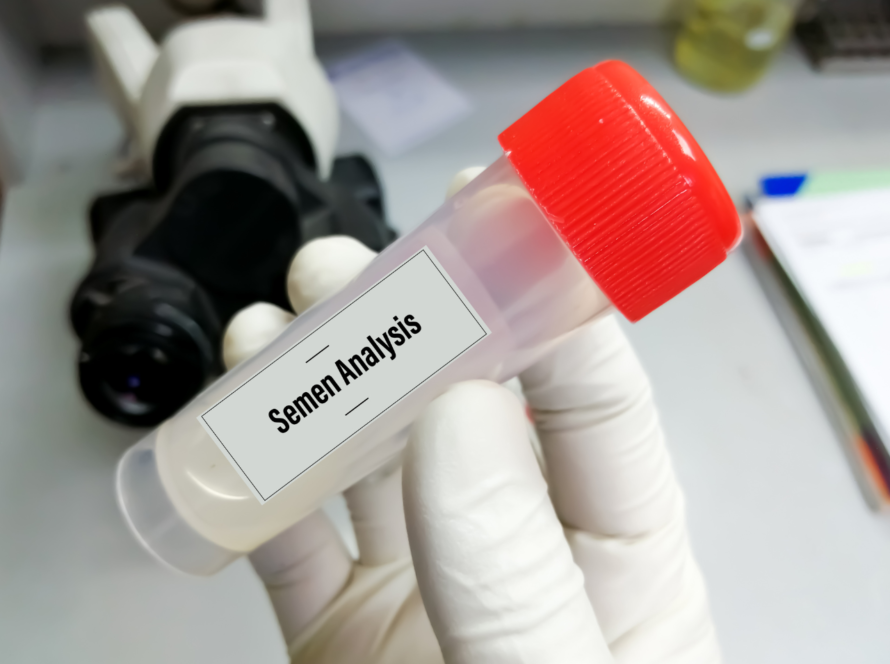
Infertility can be a frustrating and emotional journey for couples. While many cases of infertility have a clear cause, there is a subset of couples who experience unexplained infertility. This condition can be particularly challenging, as it leaves both partners with more questions than answers. In this blog, we will delve into the causes of unexplained infertility, the symptoms to watch for, and the treatment options available for couples facing this issue.
How Age Affects Female Fertility
A woman’s fertility is largely influenced by her biological clock, which starts ticking down after her mid-20s. Here’s how age can impact fertility:
- Egg Quantity and Quality Decline: Women are born with a fixed number of eggs, and over time, both the quantity and quality of these eggs decrease. By the time a woman reaches 35, her egg count and quality are significantly lower, making it harder to conceive.
- Decreased Ovarian Reserve: As women age, the ovaries begin to produce fewer eggs and the eggs they produce may have chromosomal abnormalities, leading to lower chances of successful fertilization and increased risks of miscarriage.
- Increased Risk of Miscarriage: Older women are at a higher risk of miscarriage due to the decline in egg quality. Women over 35 have a higher chance of having chromosomally abnormal eggs, which can lead to pregnancy loss.
- Hormonal Changes: As a woman approaches perimenopause (usually in her late 30s to early 40s), the body experiences fluctuating hormone levels, which can affect menstrual cycles and ovulation. This can make it more difficult to conceive.
The Best Age for Pregnancy
While every woman’s fertility is different, research has shown that fertility is at its peak in a woman’s 20s and early 30s. Here are some general age-related fertility facts:
- Under 30: Women in their 20s have the highest chances of conceiving, as their eggs are plentiful and of higher quality. The risk of miscarriage is lower, and most pregnancies in this age range are successful.
- 30 to 34 Years Old: Fertility begins to slowly decline in women after age 30, but many women can still conceive naturally during this period. However, the chances of conceiving each month drop slightly as the woman ages.
- 35 to 39 Years Old: Fertility declines more significantly after the age of 35. While conception is still possible, the chances of having a successful pregnancy naturally decrease. The risk of miscarriage also increases during this period.
- 40 and Beyond: After age 40, fertility declines significantly. The likelihood of conception decreases, and the risk of miscarriage and chromosomal abnormalities, such as Down syndrome, increases. Assisted reproductive technologies (ART), such as IVF, may be recommended at this age.
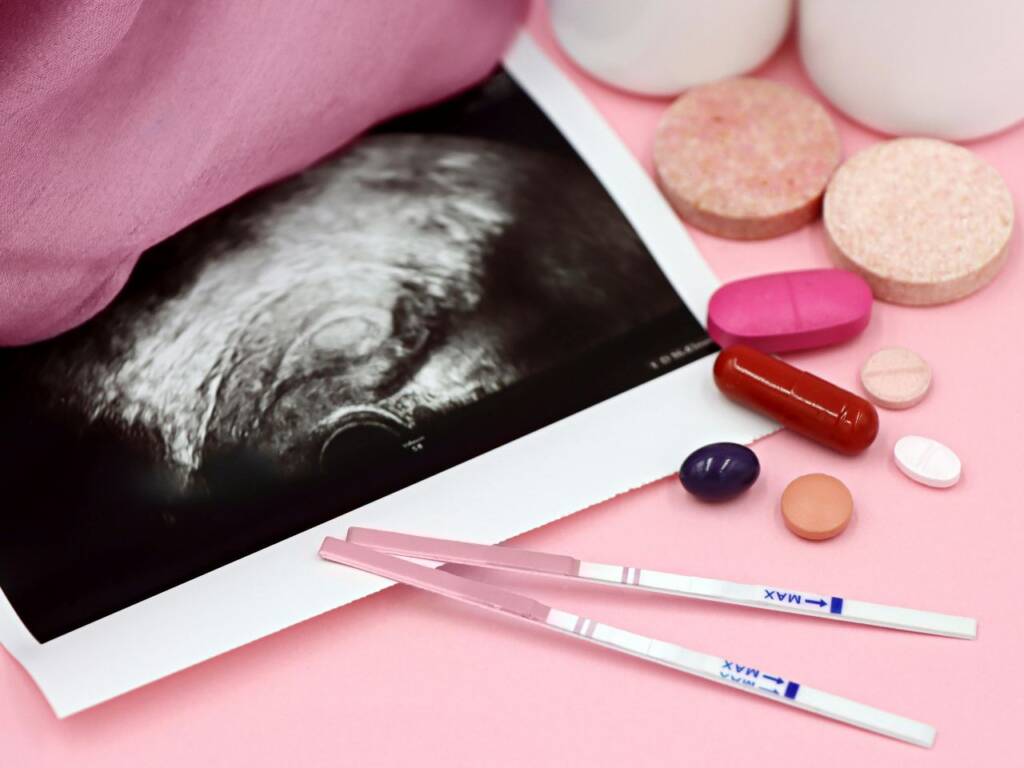
Signs of Declining Fertility in Women
It’s important to recognize the signs of declining fertility, especially as you approach your late 30s and early 40s. These signs can include:
- Irregular Periods: If your menstrual cycle becomes irregular or your periods become heavier or lighter, it may be a sign of declining ovarian reserve.
- Difficulty Conceiving: If you’ve been trying to conceive for over a year without success, it may be a sign of age-related fertility issues.
- Hormonal Imbalances: Symptoms like hot flashes, night sweats, and changes in your menstrual cycle may signal the approach of perimenopause and declining fertility.
- Decreased Libido: As hormones fluctuate, some women may experience a drop in sexual desire, which can impact conception.
If you’re experiencing any of these symptoms, it’s important to seek guidance from a fertility specialist who can assess your situation and provide a personalized plan.
Fertility Treatments for Older Women
If you’re over the age of 35 and having trouble conceiving, don’t lose hope. There are many fertility treatment options that can increase your chances of pregnancy. Some of the most common treatments include:
- Ovulation Induction: Medications like Clomid or gonadotropins can help stimulate ovulation, especially if you’re not ovulating regularly.
- Intrauterine Insemination (IUI): IUI involves placing sperm directly into the uterus during ovulation to increase the chances of fertilization. It’s often used in combination with ovulation-inducing medications.
- In Vitro Fertilization (IVF): IVF can bypass many fertility issues by combining the egg and sperm outside the body and implanting the embryo into the uterus. IVF is often recommended for women over 35 with fertility issues.
- Egg Donation: For women who have a low egg reserve or poor-quality eggs, egg donation may be an option. The eggs of a younger, healthy donor are fertilized and implanted into the woman’s uterus.
- Donor Sperm: If male infertility is a factor, using donor sperm can help increase the chances of conception.
- Fertility Preservation: For women who wish to delay pregnancy, freezing eggs at a younger age can offer a chance to have children later in life.
When to Seek Help from a Fertility Specialist
It’s essential to see a fertility specialist if:
- You’ve been trying to conceive for a year or more without success (or six months if you’re over 35).
- You experience irregular periods, hormone imbalances, or other signs of aging that may affect fertility.
- You’ve had multiple miscarriages or other complications in previous pregnancies.
- You want to explore fertility preservation options like egg freezing.
A fertility specialist can help you understand your options, run necessary tests, and create a personalized treatment plan.
FAQs
Age affects a woman’s fertility by decreasing the quantity and quality of eggs, leading to reduced chances of conception and an increased risk of miscarriage as women age.
Women in their 20s and early 30s have the highest fertility rates, while fertility begins to decline in the late 30s, with a significant drop after age 40.
While conception is still possible at age 40, fertility significantly declines, and the chances of successful pregnancy decrease. Assisted reproductive technologies like IVF may increase your chances.
Signs include irregular periods, difficulty conceiving, hormonal imbalances, and decreased libido, especially after age 35.
You should consult a fertility specialist if you’ve been trying to conceive for a year or more without success (or six months if you’re over 35), or if you’re experiencing any signs of declining fertility.
Conclusion
Age plays a crucial role in a woman’s fertility, and understanding the impact of age on your reproductive health is vital for making informed decisions about family planning. While fertility declines as you get older, there are numerous treatment options available that can help improve your chances of conception, no matter your age. If you’re struggling to conceive, don’t hesitate to seek help from a fertility specialist. With the right guidance and treatment, many women can still experience the joy of pregnancy and motherhood, regardless of their age.
At Mithran Fertility Center, we offer a wide range of services to help women at every stage of their fertility journey. Whether you’re in your 20s, 30s, or beyond, we’re here to support you with compassionate care and expert fertility treatments.