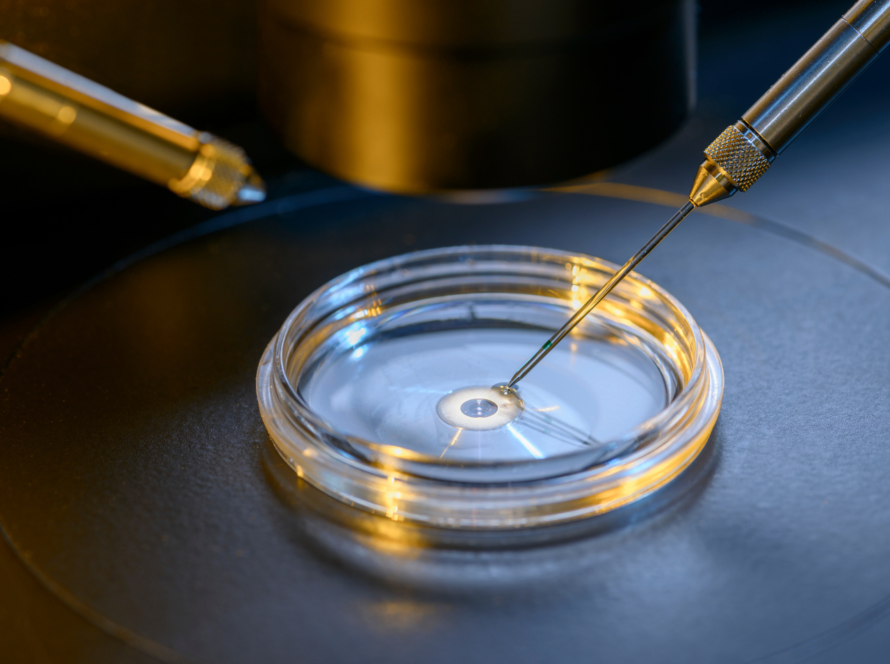
Infertility is often seen as a woman’s issue in many parts of India. But the truth is — male factor infertility accounts for nearly 40–50% of fertility problems in couples. Despite its prevalence, male infertility is rarely discussed openly, especially in the culturally rooted communities of South India, including Tamil Nadu.
For many couples, discovering male factor infertility comes as a shock — followed by confusion, silence, guilt, and even social stigma. But with the right medical care, emotional support, and awareness, it is entirely possible to overcome this challenge together.
At Mithran Fertility Center in Chidambaram, we’ve walked this journey with countless couples — and in this blog, we shed light on their experience, from diagnosis to treatment, and how they rediscovered hope.
What Is Male Factor Infertility?
Male infertility means a man has difficulty fathering a child due to problems with his sperm or reproductive organs. Common causes include:
- Low sperm count (oligospermia)
- No sperm at all (azoospermia)
- Poor motility (slow-moving sperm)
- Abnormal sperm shape (morphology)
- Erectile dysfunction or ejaculation issues
- Hormonal imbalances
- Varicocele (enlarged veins in scrotum)
- Lifestyle factors like smoking, alcohol, stress
A simple semen analysis can reveal many of these issues.
A Real-Life Story from Tamil Nadu
Meet Aravind and Priya (names changed), a couple from Cuddalore district. After two years of marriage and multiple failed attempts to conceive, they visited Mithran Fertility Center.
Priya’s tests came back normal. But Aravind’s semen analysis showed a low sperm count with poor motility.
At first, Aravind was devastated. “I couldn’t believe the issue was with me,” he said. “In our culture, people always blame the woman.”
The couple faced pressure from extended family and insensitive comments. But they made a brave decision: to face the diagnosis together, get informed, and start treatment.
In Tamil families, especially in rural areas, there’s a strong cultural belief that fertility is tied to masculinity. Many men feel ashamed to admit there might be an issue — delaying treatment or avoiding it altogether.
It’s important to remember:
- Infertility is a medical condition, not a personal failure
- Male infertility is common and treatable
- Seeking help early can improve success rates
- Couples need empathy, not judgment
Education and awareness are key. That’s why at Mithran Fertility Center, we create a judgment-free space for both partners.
How Is Male Infertility Diagnosed?
The first step is a semen analysis, which evaluates:
- Sperm count (number of sperm per ml)
- Motility (how fast they swim)
- Morphology (shape and size)
- Volume and pH of semen
If the test is abnormal, we may recommend:
- Hormonal tests (FSH, LH, testosterone)
- Scrotal ultrasound (to check varicocele or blockages)
- Genetic testing (if no sperm are found)
- Testicular biopsy (in certain cases)
Treatment Options for Male Infertility
Based on the cause, treatments include:
- Lifestyle Changes
- Quit smoking and alcohol
- Improve diet and exercise
- Manage stress
- Take fertility-boosting vitamins (zinc, CoQ10, Vitamin E)
- 2. Medical Treatment
- Hormonal medications (if hormone imbalance is found)
- Antibiotics (if infection is present)
- Varicocele surgery
- Assisted Reproductive Techniques (ART)
- IUI (Intrauterine Insemination): If sperm count is mildly low
- IVF (In Vitro Fertilization): Eggs and sperm fertilized in lab
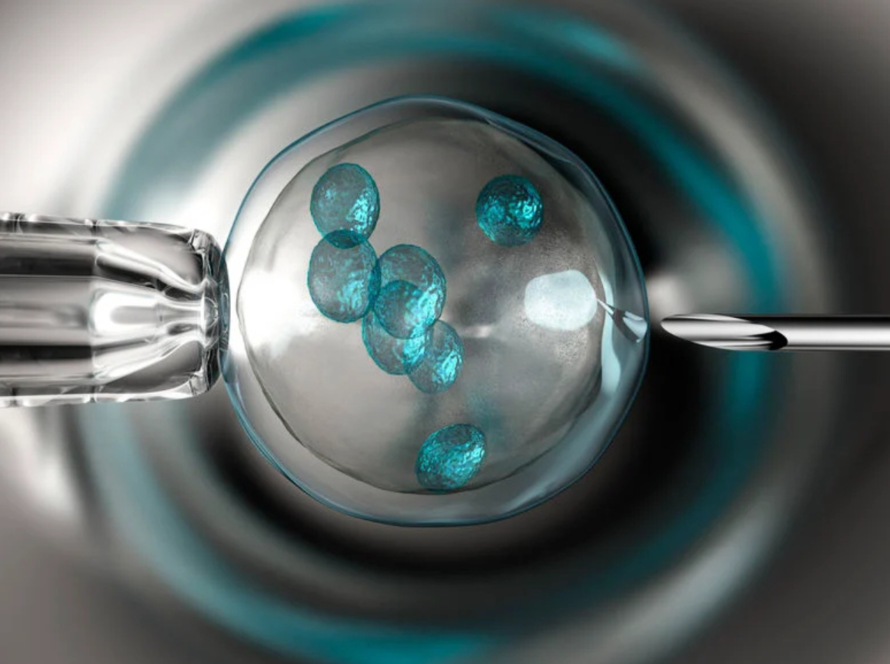
- ICSI (Intracytoplasmic Sperm Injection): A single sperm is injected into the egg — ideal for severe sperm issues
Aravind and Priya opted for ICSI, and with counseling and faith, they conceived successfully in their first cycle. Today, they are proud parents of a healthy baby girl.
- Lifestyle Changes
Male infertility affects more than just biology — it hits the heart. Men often feel guilt, anger, or shame but find it hard to express. Women feel isolated when their partners withdraw.
That’s why we offer couple counseling, individual sessions, and group support to help couples:
- Communicate openly
- Manage stress and anxiety
- Rebuild intimacy and confidence
Feel empowered and informed
- Face it as a team: Infertility is no one’s fault
- Seek early medical advice: Don’t wait for years
- Avoid self-blame or finger-pointing
- Don’t hide from family pressure — shield your mental health
- Trust your doctor and stay informed about your optio
- Celebrate small victories together
FAQs
Yes. Many causes of male infertility are treatable or manageable with lifestyle changes, medication, surgery, or ART like ICSI.
A semen analysis is the first step. It checks sperm count, motility, shape, and more. It’s simple, painless, and available at Mithran Fertility Center.
In some cases, yes. If sperm production exists inside the testicle, they can be retrieved using techniques like TESE or Micro-TESE and used in ICSI.
Yes, it’s common across India. Factors like stress, heat, unhealthy food habits, and pollution are affecting male fertility even in rural areas.
Chronic stress can affect hormone levels, and heat from prolonged laptop use on the lap may reduce sperm quality. Lifestyle awareness is important.
Conclusion
Male factor infertility can be challenging, but it is not the end of your dream to become parents. With the right diagnosis, treatment, and emotional strength, countless couples in South India — just like you — have found success and joy.
At Mithran Fertility Center, Chidambaram, we offer world-class diagnostics, advanced treatments like ICSI, and personalized counseling tailored for Tamil Nadu couples. If you and your partner are struggling to conceive, don’t suffer in silence. We’re here to support you, every step of the way.