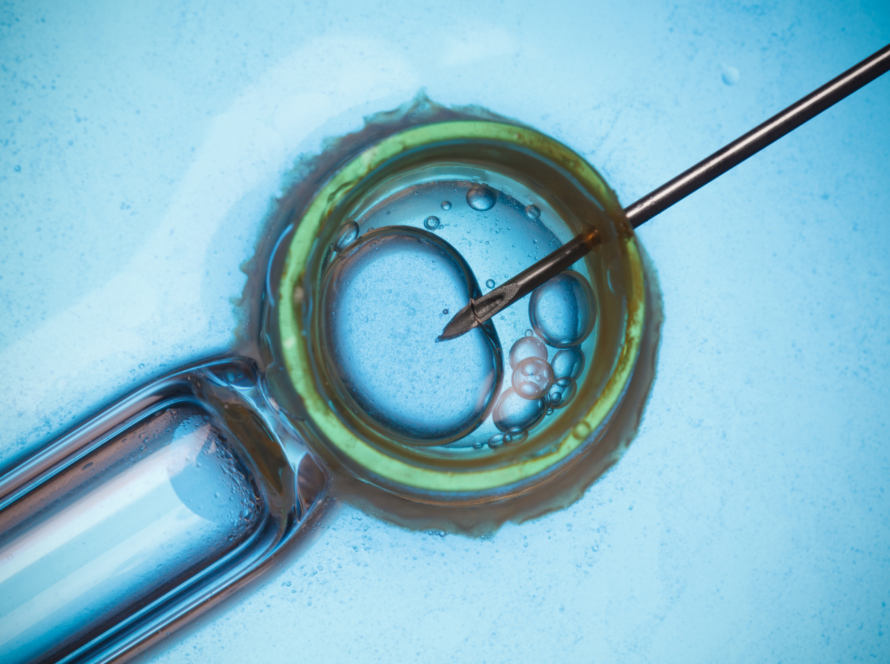
Experiencing a miscarriage is one of the most painful and emotional journeys a couple can go through. While it brings heartbreak, it’s important to remember that miscarriage is far more common than most people realise. The good news is that, for many women, Fertility After Miscarriage can remain strong, and the chances of having a healthy pregnancy in the future are high.
In this blog, we’ll explore how to heal physically and emotionally after a miscarriage, what science says about fertility afterward, and how to prepare yourself for trying again.
Understanding Miscarriage and Its Causes
What is miscarriage?
A miscarriage is the loss of a pregnancy before 20 weeks. It can happen for many reasons, often beyond your control.
Common causes include:
Chromosomal abnormalities in the embryo
Hormonal imbalances
Uterine or cervical issues
Medical conditions like diabetes or thyroid disorders
Lifestyle factors (smoking, alcohol, obesity)
In most cases, miscarriages are isolated incidents and do not affect your long-term fertility.
Physical Healing After Miscarriage
Your body needs time to recover before trying again.
Recovery time: Most women’s menstrual cycles return within 4–6 weeks.
Medical check-up: It’s important to consult your gynaecologist to ensure there are no complications (like retained tissue or infections).
Nutrition & supplements: Eating iron-rich foods and continuing folic acid helps restore your body’s strength.
Rest & self-care: Give yourself enough time to physically regain energy before planning your next pregnancy.
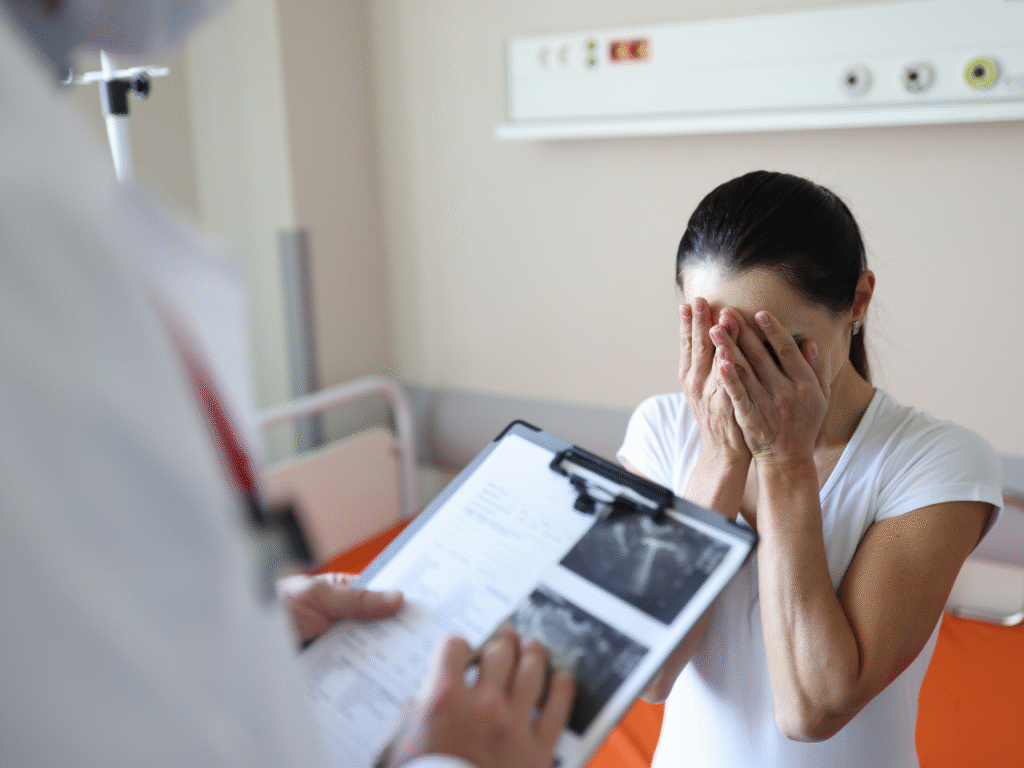
Miscarriage is not just a physical experience; it deeply impacts your mental well-being.
Allow yourself to grieve. It’s normal to feel sadness, guilt, or anger.
Seek support. Talking to your partner, close friends, or a support group can ease the burden.
Professional counselling. If emotions feel overwhelming, therapy can help process the trauma.
Remember, healing emotionally is just as important as physical recovery.
Fertility After Miscarriage: What Science Says
Most women can conceive successfully after a miscarriage.
According to medical studies, 85% of women who experience one miscarriage go on to have a healthy pregnancy.
If you have had two or more consecutive miscarriages, your doctor may recommend fertility testing to check for underlying issues.
When to Try Again?
Doctors generally advise:
After 1 menstrual cycle: WHO recommends waiting at least one cycle to allow your body to reset.
After 3 months (optional): Some doctors suggest waiting longer for emotional healing, but medically, many women can try sooner.
The best time depends on your health, emotional readiness, and your doctor’s advice.
Tips to Boost Fertility After Miscarriage
Maintain a healthy diet rich in vitamins, minerals, and antioxidants.
Stay active with light to moderate exercise.
Avoid alcohol, smoking, and excess caffeine.
Track your ovulation cycle using apps or ovulation kits.
Manage stress through meditation, yoga, or breathing exercises.
FAQs
Most doctors recommend waiting at least one menstrual cycle before trying again, though it depends on your health and recovery.
In most cases, no. Many women go on to have healthy pregnancies after a miscarriage.
Your doctor may suggest genetic testing, hormonal tests, or uterine evaluations if you have multiple miscarriages.
Yes. Eating a balanced diet, exercising, avoiding alcohol/smoking, and managing stress can boost fertility.
Yes, if you’re struggling emotionally. Counselling can provide healing support for you and your partner.
Conclusion
A miscarriage does not mean the end of your fertility journey. With the right medical care, emotional support, and healthy lifestyle, most women go on to have successful pregnancies. Be kind to yourself, allow time for healing, and know that hope is always possible.