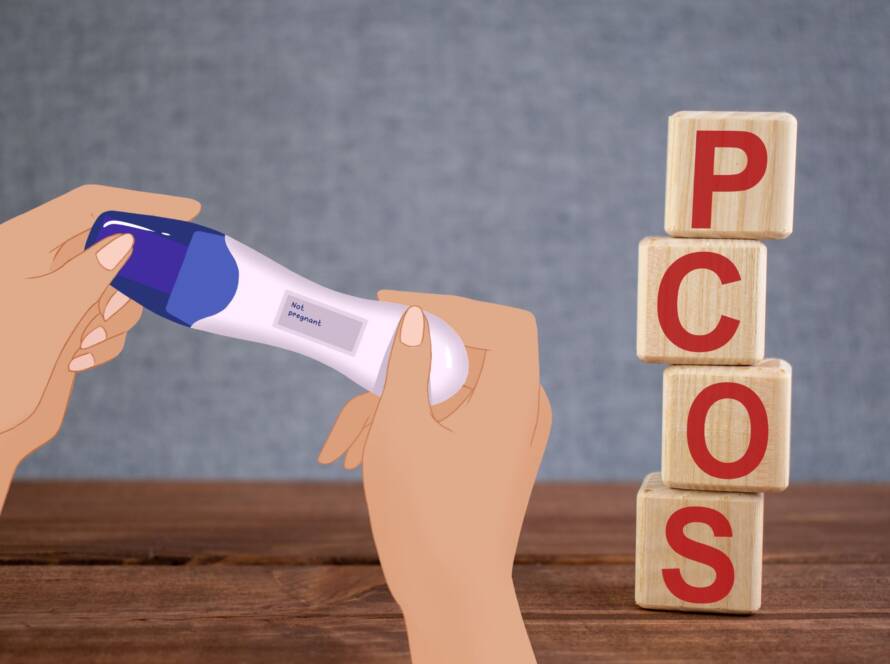
Fertility isn’t something most people think about in their 20s and early 30s. These are the years of building careers, relationships, and personal goals. However, the choices you make during this period can have a lasting impact on your ability to conceive later in life. In Tamil Nadu and across India, more couples are delaying marriage and parenthood, which makes understanding the connection between lifestyle and fertility all the more important.
1. Age and Egg Reserve
Women are born with a fixed number of eggs. By the late 20s, fertility begins to decline slowly, and after 35, it decreases more sharply. Lifestyle factors like smoking, poor diet, and excessive alcohol can speed up the decline of egg quality. Men also face reduced sperm quality with age, particularly if exposed to unhealthy habits
2. Diet and Nutrition
A balanced diet rich in whole grains, fresh vegetables, fruits, and protein supports reproductive health. In contrast, fast food, processed snacks, and sugary drinks increase risks of obesity, PCOS (Polycystic Ovary Syndrome), and hormonal imbalance—all of which can impact fertility later.
Helpful foods: leafy greens, nuts, seeds, pulses, and foods rich in folic acid and omega-3 fatty acids.
Foods to limit: fried foods, refined carbs, and excessive red meat.

Both underweight and overweight conditions affect fertility. Women who are underweight may stop ovulating, while obesity can cause hormonal issues and irregular cycles. Men with obesity often have lower sperm count and motility. Maintaining a healthy BMI in your 20s and 30s ensures a smoother fertility journey later.
4. Smoking, Alcohol, and Fertility
Smoking damages eggs and sperm DNA, reducing conception chances and increasing miscarriage risks. Alcohol, especially in high amounts, affects ovulation in women and testosterone levels in men. Even occasional habits in your 20s can create long-term fertility problems in your 30s and beyond.
5. Stress and Mental Health
Chronic stress is a hidden enemy of fertility. It interferes with hormone production, ovulation, and sperm quality. In today’s fast-paced life, managing stress through yoga, meditation, or even daily walks can protect reproductive health.
6. Sleep and Work Schedules
Irregular work hours, especially night shifts, affect the body’s circadian rhythm and hormone regulation. Poor sleep can contribute to obesity, insulin resistance, and reduced fertility. Consistent sleep routines in your 20s and 30s help preserve fertility for later years.
7. Medical Conditions and Regular Check-Ups
Conditions like PCOS, thyroid disorders, and diabetes are becoming more common among young adults in Tamil Nadu. Left untreated, they can cause complications in conceiving. Regular health check-ups and early treatment are vital to preventing long-term issues.
FAQs
Yes. Lifestyle choices such as diet, smoking, alcohol, and stress in your 20s can directly impact egg and sperm quality later in life.
Absolutely. Being underweight or overweight in your 20s may affect hormone balance, ovulation, and sperm health, which can make conception harder later.
Chronic stress impacts hormone production and menstrual cycles. Long-term stress can lower fertility potential for both men and women.
Not at all. Healthy lifestyle changes like balanced nutrition, regular exercise, and avoiding smoking and alcohol can still improve fertility outcomes in your 30s.
If you’re planning to conceive later, getting basic fertility tests like AMH (for women) or semen analysis (for men) can help you understand your reproductive health early.
Conclusion
Fertility is not just about age—it’s about how you care for your body throughout your 20s and 30s. Simple, consistent lifestyle choices like eating well, exercising, avoiding harmful habits, and managing stress can go a long way in preserving reproductive health.
If you’re in your late 20s or early 30s and planning for the future, remember: small steps today can make a big difference tomorrow.