Ovulation is one of the most important aspects of fertility, yet many women are not fully aware of how it works or how to identify it. Whether you’re trying to conceive naturally or preparing for fertility treatments, understanding ovulation can make a big difference in your journey.
In this blog, we’ll break down what ovulation is, the signs to watch for, how to track it, and proven ways to improve your chances of conception.
What Is Ovulation?
Ovulation is the phase in a woman’s menstrual cycle when a mature egg is released from the ovary. Once released, the egg travels through the fallopian tube and is available for fertilisation for about 12–24 hours. If it meets healthy sperm during this time, pregnancy can occur.
Since sperm can survive inside the female body for up to 5 days, knowing your ovulation window is key to timing intercourse for conception.
Signs of Ovulation to Look Out For
Your body often gives subtle signals when you are ovulating. Here are some of the most common signs:
Changes in Cervical Mucus – Clear, slippery, and stretchy mucus (like egg whites) is a strong sign you’re fertile.
Mild Pelvic Pain (Mittelschmerz) – Some women feel a slight twinge or cramp on one side of the lower abdomen when ovulation occurs.
Increased Libido – Many women naturally feel more desire around ovulation.
Breast Tenderness – Hormonal changes can make breasts feel sore or fuller.
Rise in Basal Body Temperature (BBT) – Your temperature slightly increases after ovulation due to progesterone.
Heightened Senses – Some women notice stronger smell or taste sensitivity.
Tracking ovulation helps you identify your most fertile days. Here are popular methods:
Calendar Method
Most cycles are 28 days, and ovulation usually happens around day 14.
Track for at least 3–6 months to predict your fertile window.
Basal Body Temperature (BBT) Charting
Take your temperature every morning before getting out of bed.
A slight increase (0.3–0.6°C) indicates ovulation has just occurred.
Ovulation Predictor Kits (OPKs)
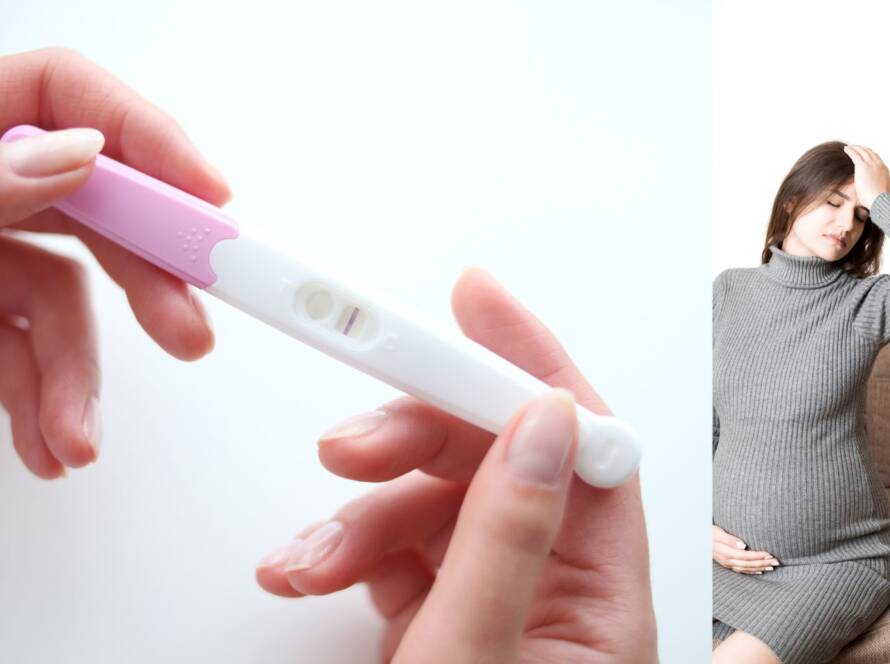
These home urine tests detect luteinising hormone (LH) surge, which happens 24–36 hours before ovulation.
Cervical Mucus Monitoring
Observe changes in discharge texture daily.
Fertility Apps & Devices
Digital apps and monitors can help track cycles and provide reminders.
How to Boost Your Chances of Conception During Ovulation
If you’re trying to conceive, combining ovulation awareness with lifestyle changes can improve your success rate.
Maintain a Healthy Weight – Being underweight or overweight can affect ovulation.
Eat a Fertility-Friendly Diet – Include leafy greens, nuts, whole grains, fish, and fresh fruits.
Reduce Stress – High stress levels can disrupt hormones. Try yoga, meditation, or simple breathing exercises.
Limit Alcohol & Caffeine – Excessive intake can reduce fertility.
Quit Smoking – It reduces egg quality and affects fertility in both men and women.
Stay Active – Moderate exercise supports hormonal balance.
When to Seek Medical Help
If you have irregular cycles, extremely painful periods, or have been trying to conceive for over a year (or 6 months if you’re over 35), it’s wise to consult a fertility specialist. Early evaluation can save time and provide personalised solutions.
FAQs
Ovulation signs include a slight rise in basal body temperature, changes in cervical mucus (clear and stretchy), mild pelvic pain, and increased libido.
Most women ovulate around 12–16 days before their next period, depending on cycle length. For a 28-day cycle, ovulation usually occurs around day 14.
Yes. Tracking ovulation helps identify your most fertile days, increasing the chances of conception when you time intercourse accordingly.
You can use ovulation predictor kits (OPKs), basal body temperature (BBT) charts, fertility apps, or monitor cervical mucus changes.
Maintaining a healthy weight, eating a balanced diet, reducing stress, regular exercise, and avoiding smoking/alcohol can support regular ovulation.
Conclusion
Understanding ovulation is the first step towards improving your fertility journey. By learning to recognise signs, tracking ovulation effectively, and making supportive lifestyle changes, you can significantly boost your chances of conception.
If you find it difficult to track or face irregular cycles, don’t hesitate to seek guidance from a fertility clinic. The right knowledge and timely help can bring you closer to your dream of parenthood.